If you are new here, this post is part of an ongoing series we are doing. We are working our way through the entire alphabet, putting together lists of common, exotic, and completely weird fruits for every single letter. We've already covered quite a few, but today is entirely dedicated to the letter H.
Naming fruits that start with the letter H is actually pretty tough. You might be able to think of one or two off the top of your head, but after that, the list gets a little obscure.
I put together this list of 20 fruits that start with H. Some of them are things you probably eat all the time, while others are wild berries you definitely won't find at a normal grocery store. We included a few things that most people completely mistake for vegetables.
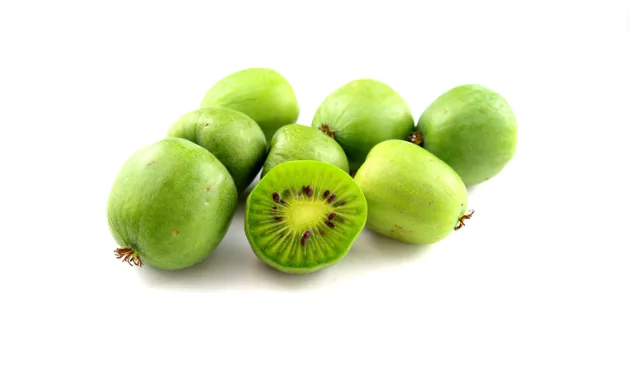
These are bite-sized kiwis without the fuzzy brown skin. Because the skin is completely smooth, you can just wash them and pop them in your mouth like grapes. They are a lot sweeter and less tart than regular kiwis, and as the name suggests, the vines can survive in much colder climates where a standard kiwi plant would freeze.
Hardy kiwis are packed with Vitamin C to help support your immune system, but since you can't get sunshine vitamins from fruit, you still need to make sure you are taking a good [vegan D3] supplement during the winter.
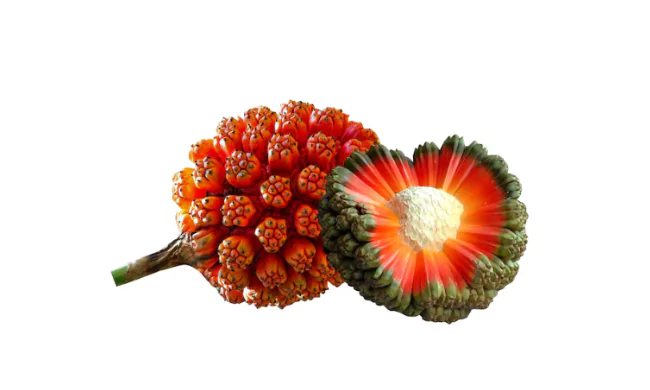
The next fruit is called hala which is a tropical fruit. It grows heavily in Southeast Asia and Polynesia. It has a dense, fibrous texture. It has a mild, nutty flavor that tastes a bit like a mix between mango and sweet potato. Mostly used in deserts and in beverages.
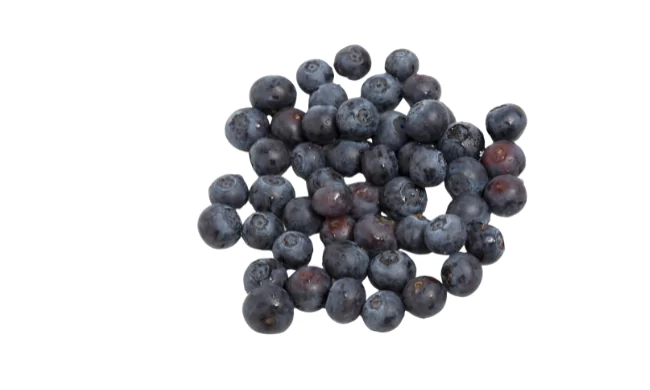
Huckleberries look almost identical to regular blueberries, but they are much more tart and have noticeably crunchier seeds inside. This is a small, sour and juicy fruit, which grows in the regions of North America and some parts of Europe. There are different ways through which it can be consumed; fresh, dried, or even used in jams and pies.
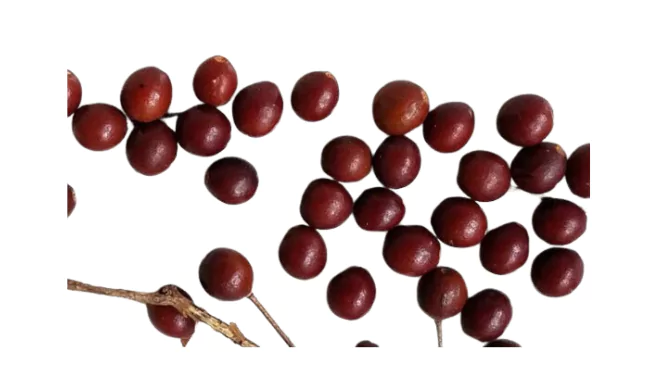
These grow on large shade trees. Yes, hackberries are totally edible, but they are extremely dry. The fruit is just a large, hard seed covered by a very thin, crunchy, sweet shell. People used to grind them up into paste a long time ago, today, they are really just winter food for wild birds and some other wild animals.
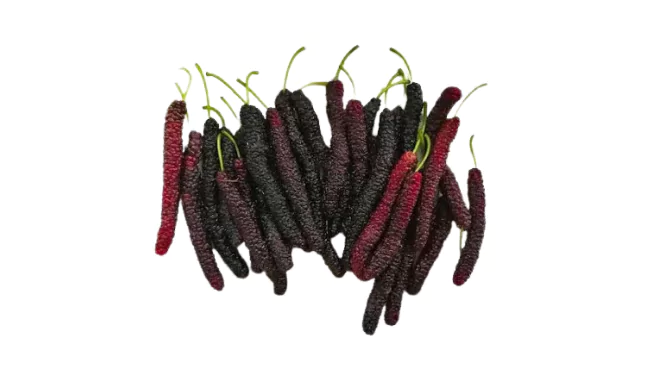
Regular mulberries are already great, but the Himalayan variety produces incredibly long, sweet berries that almost look like fuzzy caterpillars. They grow on large trees native to the mountainous regions of Asia. The fruit is very sweet and juicy, so you can eat them right off the tree, dry them out like raisins, or use them to make preserves.
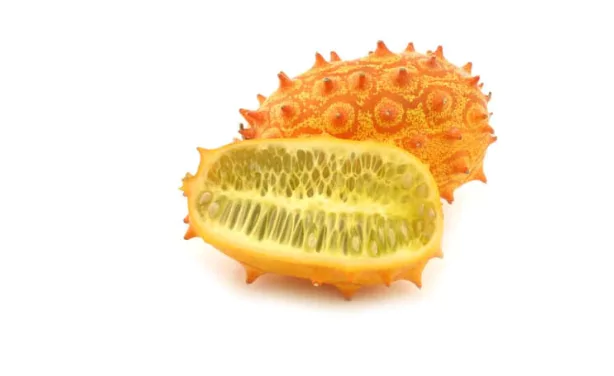
This fruit looks like a bright orange, spiky oval. When you cut it open, the inside is filled with a bright green, jelly-like pulp surrounding edible seeds. It tastes like a mix between a cucumber, a zucchini, and a kiwi. You probably won't find these at a normal supermarket.
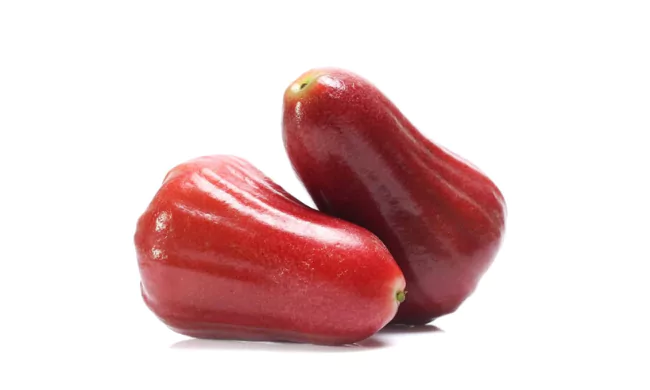
Hawaiian mountain apples are a group of small, round fruits native to Hawaii. Despite the name, these don't look or taste like standard apples. They are shaped like small red or pink bells. The inside is white, extremely crisp, and very watery, sort of like a cross between a pear and a watermelon. Because they are so refreshing and mild, most people just eat them fresh right off the tree.
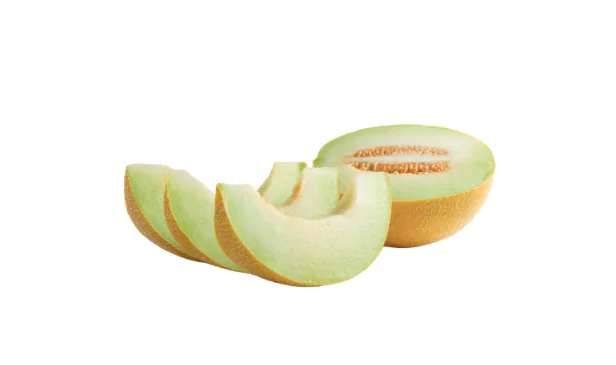
Honeydew is everywhere. It is the pale green melon that usually makes up the bulk of store-bought fruit salads. It is naturally very sweet and has a high water content. If you chop it up and freeze the cubes, it makes a really good base to thicken up [ vegan protein shakes ] without needing to add extra sweeteners.
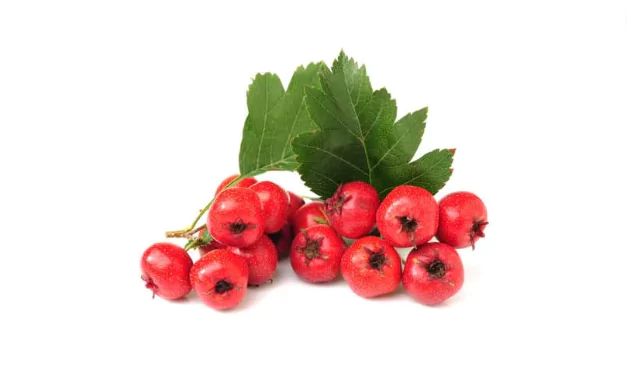
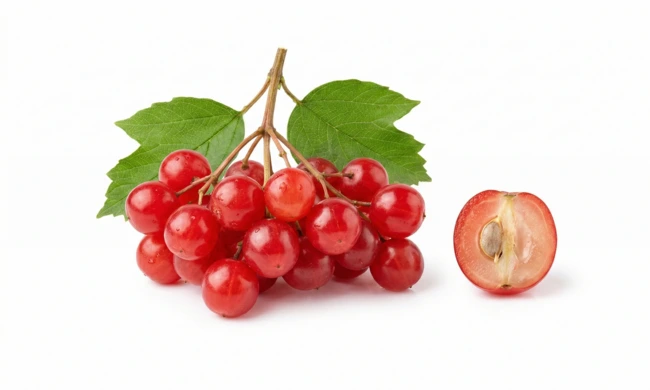
These are small red berries that grow on thorny shrubs. You don't generally eat them raw because they are pretty tart, slightly dry, and have a large seed in the center. Instead, people usually boil them down into jams or dry them out to use in teas, largely because they have a long history of being used as a natural remedy for heart health.
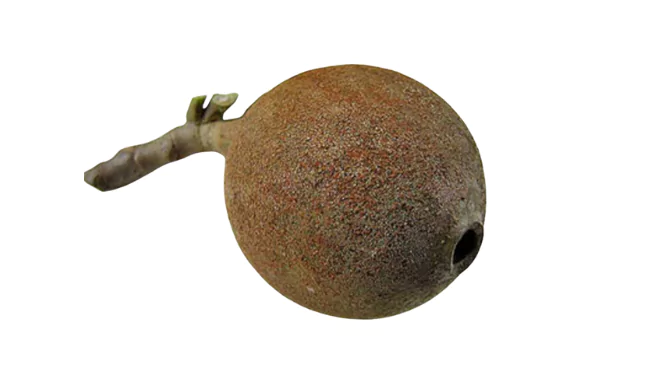
Huito is a melon-sized fruit native to the Amazon rainforest. You don't really eat it raw. When it is fully ripe, it has a strong, tart flavor and is mostly used to make heavy syrups, juices, and jams. Interestingly, the clear juice of the unripe fruit oxidizes and turns black when it touches the skin, so it has been used for centuries to create temporary tattoos.
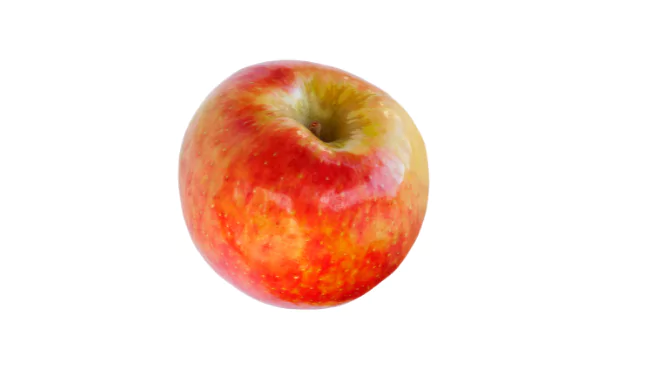
Honeycrisp apples are everywhere in grocery stores now, and for good reason. They are incredibly crisp and strike a perfect balance between sweet and tart. While they are great for just grabbing and eating out of hand, they hold their shape really well in the oven, making them a solid choice if you are baking a vegan apple pie or crisp.
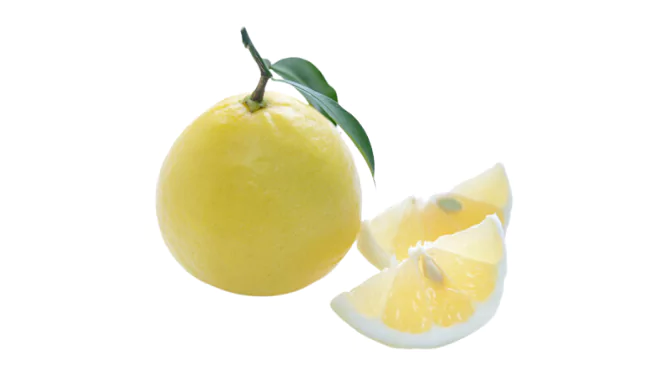
This is a Japanese citrus fruit that looks a bit like a round, bumpy lemon. The yellow pulp inside is pretty sour on its own. Interestingly, the white spongy pith right under the skin is actually sweet. Because of this, people usually slice the fruit up and eat the sour flesh and sweet pith together to balance out the acidity.
When you buy a standard plastic clamshell of blueberries at the supermarket, this is usually what you are getting. They are plump, sweet, and reliably juicy. They are great fresh, but honestly, I usually just toss a handful into some [ iron-fortified cereal ] for breakfast.
If you grew up in or live in India, you probably know these as Amra. They look like tiny, hard mangoes and have a serious, mouth-puckering crunch. While a lot of people love eating them raw dipped in a little salt and red chili powder, that intense sourness also makes them perfect for tangy pickles, chutneys, or cooking down into sweet jams.
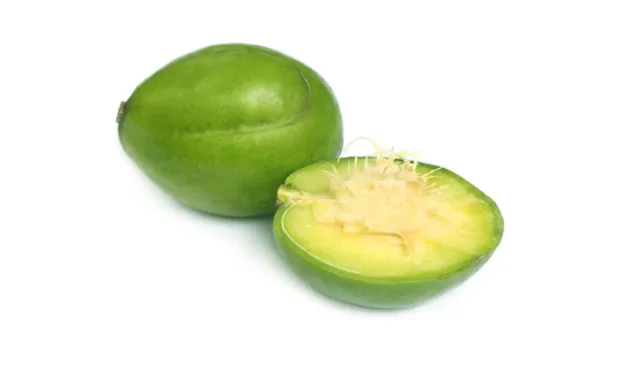
People constantly mistake this for a cactus, but it is actually a creeping succulent often called an ice plant. The fruit itself has a really distinct, sour-sweet taste. You can just snap it off the plant, bite the bottom end off, and squeeze the seedy pulp right into your mouth. Because of that natural tartness, a lot of foragers also harvest them specifically to make jams.
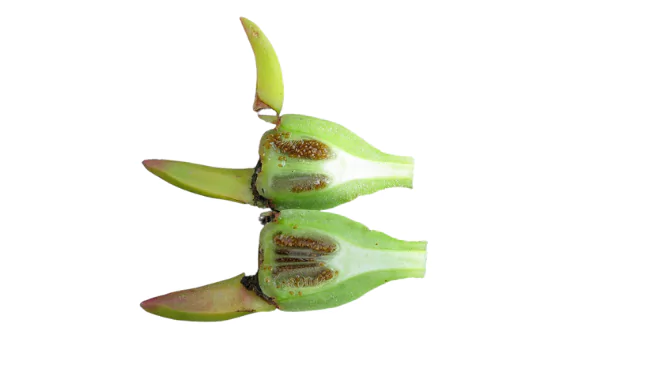
Regular rambutans are famous for their crazy, hairy-looking red and green shells. The hairless variety is exactly what it sounds like. It is the exact same sweet, slightly acidic, lychee-like fruit on the inside, just without the wild bristles on the outside. You just crack the shell open, pop out the translucent fruit, and eat it fresh.
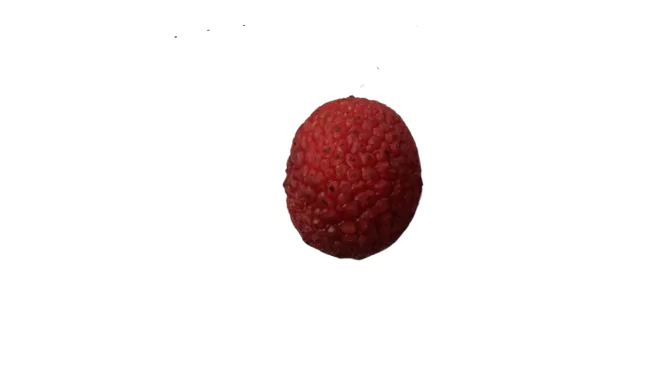
This is a citrus fruit originally from Japan. It looks like a huge mandarin, but it definitely doesn't taste like one. It is actually quite tart with a slightly bitter aftertaste, making it a lot closer to a grapefruit. The peel and the white pith are extremely bitter, so you have to peel it carefully and just eat the juicy segments inside.
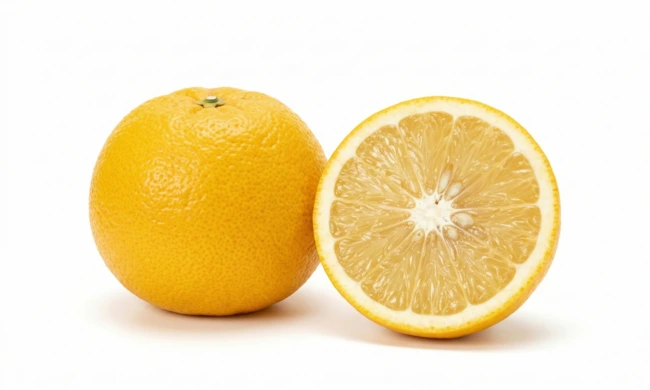
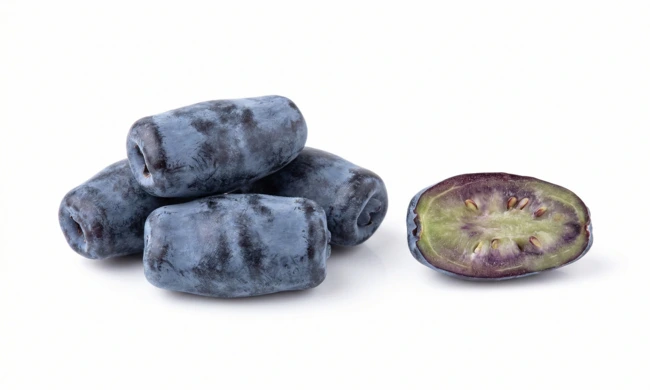
If you haven't seen one of these before, they basically look like stretched-out, rectangular blueberries. They grow on really tough plants that easily survive freezing weather where other berries would just die off. Flavor-wise, they taste like a cross between a blueberry and a raspberry. They are sweet, slightly tangy, and perfect for just eating by the handful.
Despite the name, this isn't a true cranberry. It is a bright red berry that grows on tall shrubs in cooler climates. Because they are incredibly tart and have a large, flat seed inside, you really don't want to just pick them off the bush and eat them raw. Instead, most people boil them down with some sugar to make jams or jellies.
When you think of fruit, you think of apples or melons. You don't think of nuts or tomatoes. But scientifically speaking, a fruit is just the part of a plant that holds the seeds. Because of that technicality, these three items actually belong on an "H" fruit list.
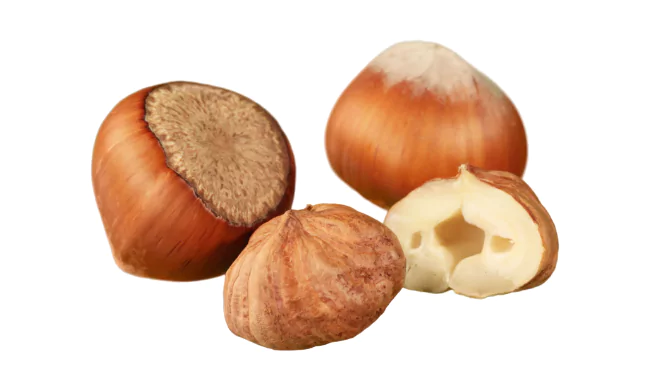
Most people call it a nut. But in botany, a hard-shelled fruit that doesn't pop open on its own is still technically a fruit. For anyone eating plant-based, hazelnuts are pretty much essential. Roasting them gives you a rich base for homemade dairy-free chocolate spreads or a really thick nut milk. They also happen to pack a lot of vitamin E and healthy fats.
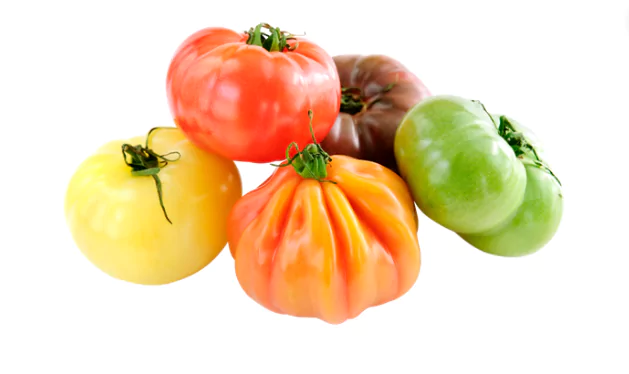
Yes, tomatoes are fruits. Specifically, they are berries. We cook with them like vegetables, but the science says otherwise. Heirlooms are a massive step up from the standard, watery red tomatoes you usually see. They actually have a deep, complex flavor. For a quick vegan meal, just slice them thick, add some cashew cheese, or simply throw them on toasted bread with a little olive oil and salt.
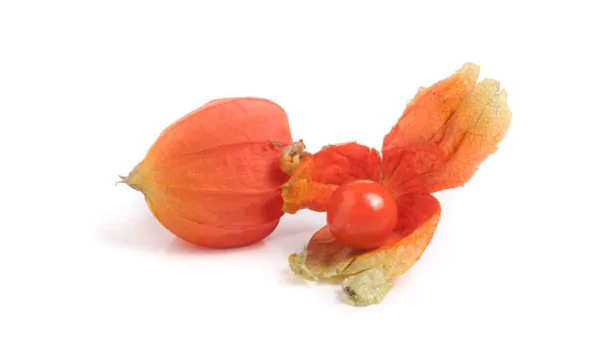
You might know these better as tomatillos. They look like small green tomatoes wearing a dry, papery jacket (the husk). They don't taste like normal tomatoes at all—they are much more tart and acidic. If you make plant-based Mexican food, you need these. Roasting them down with some garlic and chilies is exactly how you make a proper salsa verde for tacos or enchiladas.
We hope you've enjoyed exploring the exciting world of fruits starting with H! This list has hopefully introduced you to some new and exciting options to add to your grocery list. From the sweet and refreshing to the tart and tangy, these fruits offer a variety of flavors and health benefits.
Remember, this is just a starting point! There are many more amazing "H" fruits out there waiting to be discovered. So, keep exploring, keep trying new things, and enjoy the delicious world of fruits!
