Here are the mouth-watering fruits starting with the letter C; join us as we explore this category. This page is your comprehensive guide on how to try out some delicious options that are different from your routine fruits. As some of the fruits may be more exotic and difficult to find, such as Cainito (Star Apple) and Canistel (Eggfruit), there are also more familiar fruits on the list, like Cherries and Cranberries.
If you’re an experienced fruit lover or you are seeking new fruits to try, this page will definitely be interesting for you. Explore a list of fruits with c scientific names and find out what people from other countries call these delicious fruits, as well as learn various interesting facts.
So, let us go straight and get to know about different ‘C’ fruits in a very fresh manner.
Cainito, also known as Star Apple, is a unique tropical fruit native to South America. It has a purple, star-shaped exterior with translucent white flesh inside. The flesh has a sweet and slightly jelly-like texture with a mild flavor. Cainito is a good source of vitamins C and B6.

Calamansi, also known as Philippine lime, is a small citrus fruit native to Southeast Asia. It is a hybrid of lime and mandarin orange with a thin, green rind and juicy, tart flesh. Calamansi is widely used in Filipino cuisine for its refreshing flavor and is often used in drinks, sauces, and marinades.
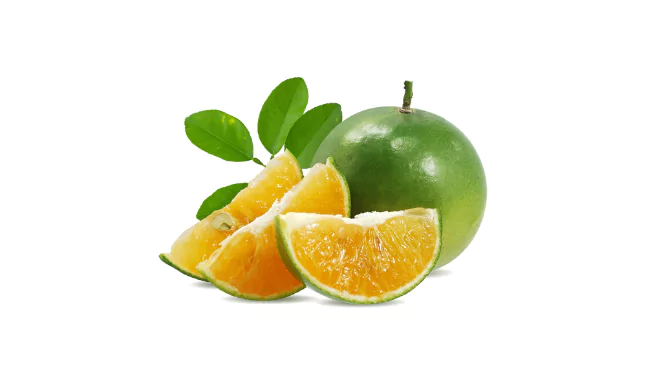
Canary Melon, a variety of Honeydew melon, is a bright yellow, elongated fruit native to Asia. It has a smooth, slightly waxy rind and pale green to white flesh. The flesh is juicy, sweet, and slightly tangier than Honeydew melon. Canary Melon is enjoyed for its refreshing flavor and high vitamin C content.

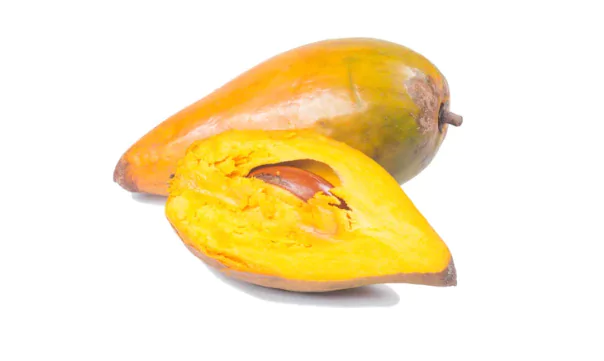
Canistel, also known as Eggfruit, is a tropical fruit native to Central America. It has a bright yellow, egg-shaped rind and a dry, crumbly, orange-yellow flesh. The flesh has a sweet, custard-like flavor and a texture similar to a hard-boiled egg yolk. Canistel is a good source of vitamins A and C.
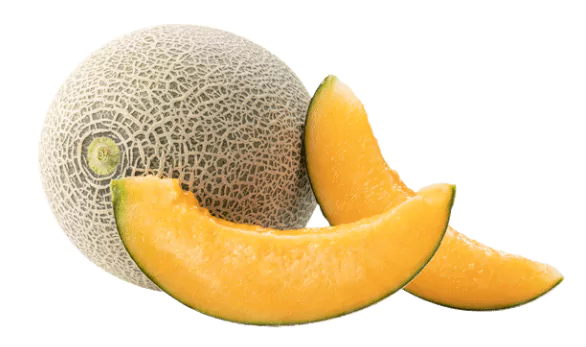
Cantaloupe, also known as Muskmelon, is a popular melon native to Africa. It has a netted orange rind and juicy, sweet, orange flesh. Cantaloupe is a good source of vitamins A and C and is enjoyed fresh in salads or fruit cups.
Casimiroa, also known as White sapote, is a green, bumpy fruit native to Mexico and Central America. It has a creamy white flesh with a sweet, custardy flavor and a jelly-like texture. Casimiroa is a good source of vitamins B6 and C.

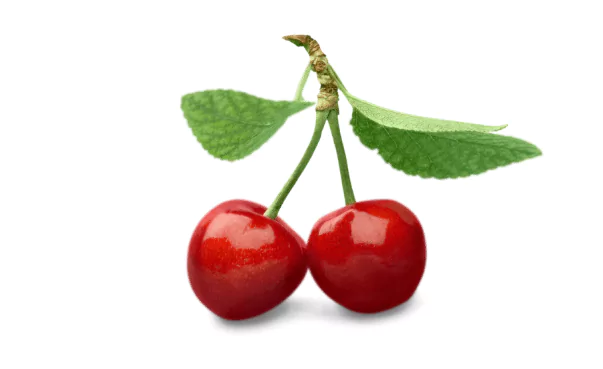
Cherry is a small, round fruit native to western Asia and Europe. It comes in various colors, including red, black, and yellow, and has a sweet and slightly tart flavor. Cherries are a good source of vitamins A and C and are enjoyed fresh, dried, or in jams, pies, and juices.
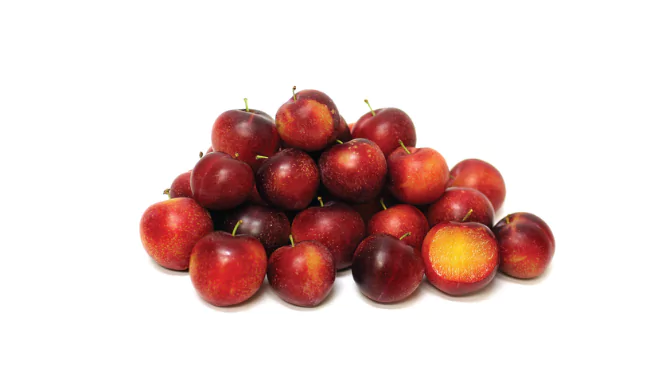
Cherry Plum is a hybrid fruit resulting from crossing cherries and plums. It has a round to oval shape, a red or purple skin, and juicy, tart flesh. Cherry Plums are enjoyed fresh, in jams and jellies, or dried.
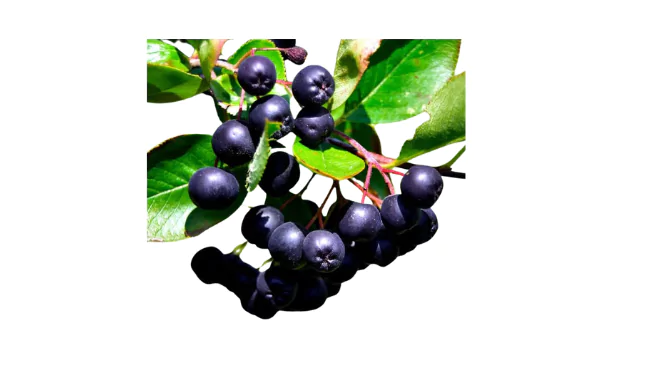
Chokeberry is a small, dark purple or black berry native to eastern North America. It has a tart and astringent flavor and is not typically eaten raw due to its bitterness. Chokeberries are high in antioxidants and are often used in juices, wines, and jams.
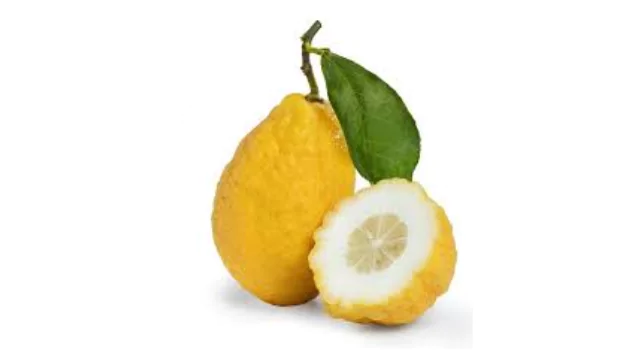
Citron, also known as Cedrat, is a large, oblong citrus fruit native to Southeast Asia. It has a thick, lumpy rind and a sour, acidic flesh. The rind is more commonly used than the flesh due to its strong, fragrant aroma. Citron is used in candies, marmalades, and as a flavoring agent.
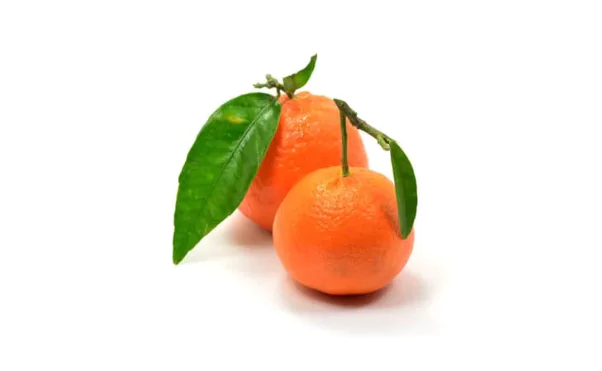
Clementine is a small, seedless citrus fruit resulting from a hybrid of mandarin orange and sweet orange. It has a bright orange peel and juicy, sweet flesh. Clementines are a popular choice for a snack due to their ease of peeling and refreshing flavor. They are also a good source of vitamin C.
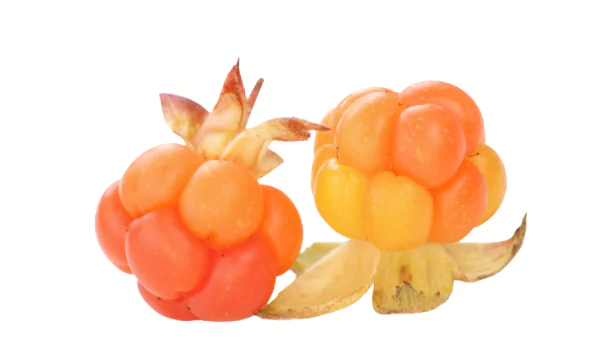
Cloudberry is a small, orange-red fruit native to arctic and boggy regions of the Northern Hemisphere. It has a soft, juicy flesh with a sweet and tart flavor. Cloudberries are enjoyed fresh, jams, and liqueurs. They are a good source of vitamins A and C.
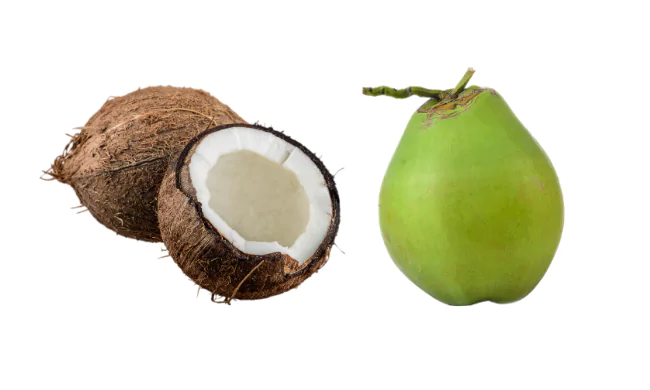
Coconut, technically a drupe fruit, is a large, ovoid fruit native to Southeast Asia. It has a fibrous husk, a hard brown shell, and a white, fleshy interior. Coconut flesh is enjoyed fresh, dried (copra), or shredded. Coconut milk and cream are derived from the white flesh and are popular ingredients in various cuisines. Coconut water, the clear liquid inside the young coconut, is a refreshing drink.
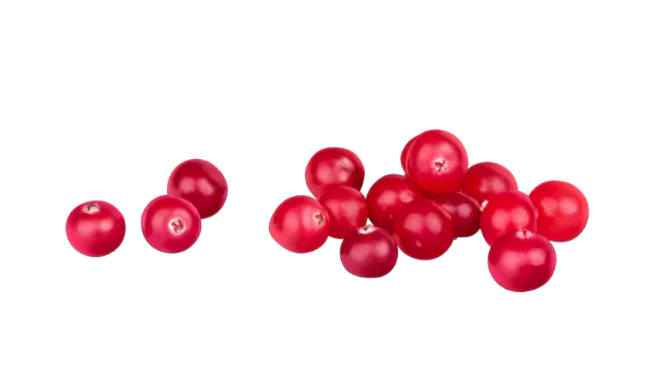
Cranberry is a small, tart red fruit native to bogs and wetlands in North America. Cranberries are most commonly consumed dried, juiced, or in sauces due to their tart flavor. Cranberry juice is often associated with urinary tract health benefits. Cranberries are a good source of vitamins C, E, and K.
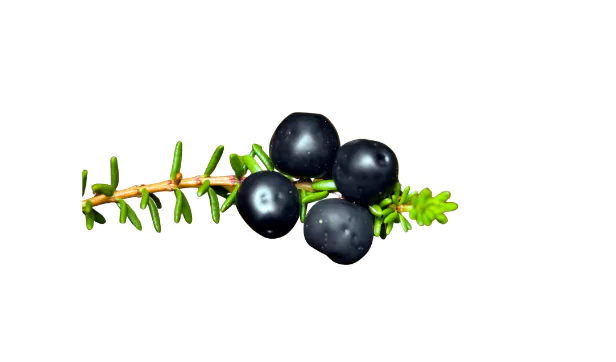
Crowberry is a small, black berry native to arctic and subarctic regions of the Northern Hemisphere. It has a juicy flesh with a sweet and tart flavor. Crowberries are enjoyed fresh, jams, and jellies. They are a good source of vitamins A and C.
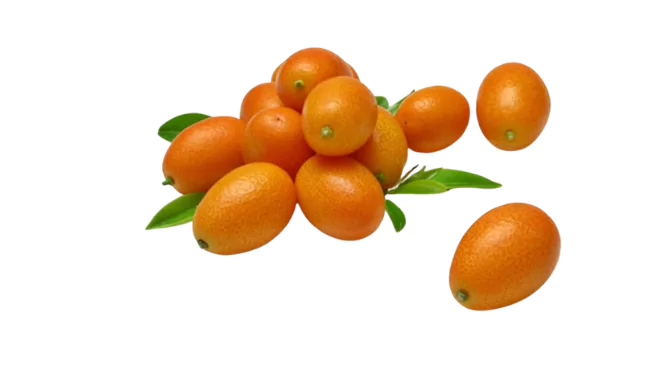
Cumquat is a small, oval citrus fruit native to Southeast Asia. It has a thin, edible rind and juicy, tart flesh. Unlike other citrus fruits, the rind of a cumquat is sweet and can be eaten along with the flesh. Cumquats are enjoyed fresh, candied, or preserved.
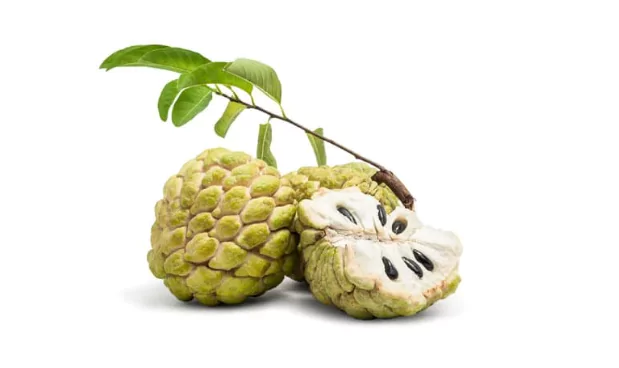
Custard Apple, also known as Atemoya or Sugar Apple, is a heart-shaped fruit native to the Andes mountains in South America. It has a bumpy, green or brown skin and a creamy, sweet custard-like flesh with black seeds. The flesh has a unique flavor that some compare to custard or banana. Custard Apple is enjoyed fresh or in juices and smoothies.
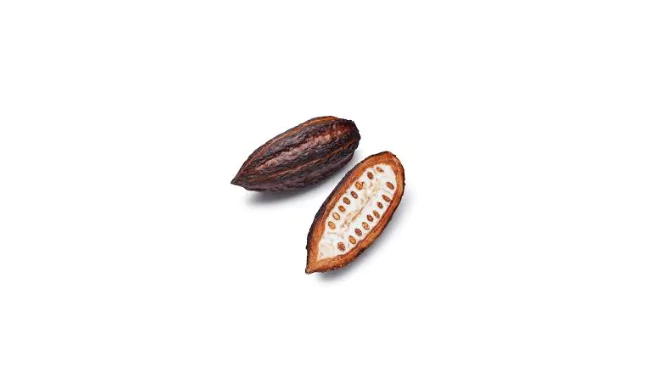
Cacao is not technically a fruit, but the pod of the Theobroma cacao tree. The pods contain cocoa beans, which are roasted and processed to make chocolate. The cacao bean itself has a bitter taste, but when roasted and fermented, it develops the chocolate flavor we know and love.
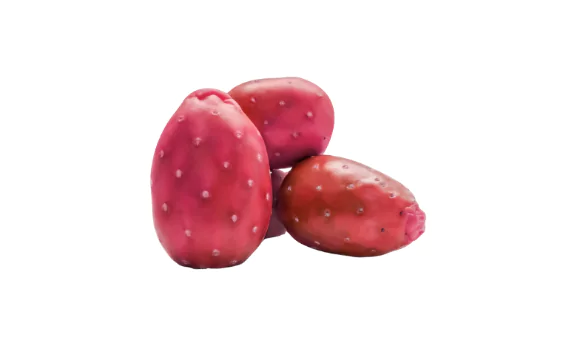
Cactus Pear, also known as Prickly pear, is the fruit of various cactus species native to the Americas. It has a spiny exterior and a juicy, sweet flesh that can be red, yellow, or orange. Prickly pears are enjoyed fresh, in juices, jams, and jellies. The pads of the cactus plant can also be eaten as a vegetable.
Carambola, also known as Star fruit, is a tropical fruit native to Southeast Asia. It has a star-shaped cross-section with a juicy, tart or sweet flavor depending on the variety. Carambola is enjoyed fresh, in juices, salads, and jams. The star shape of the fruit makes it a popular garnish.
We hope you've enjoyed exploring the exciting world of fruits starting with C! This list has hopefully introduced you to some new and exciting options to add to your grocery list. From the sweet and refreshing to the tart and tangy, these fruits offer a variety of flavors and health benefits.
Remember, this is just a starting point! There are many more amazing "C" fruits out there waiting to be discovered. So, keep exploring, keep trying new things, and enjoy the delicious world of fruits!
