The fruits contribute to the recognition of the unique nutritional value of our food. Fruits that start with the letter “E” include varieties such as elderberry, emblica, and elephant apple. These fruits differ in origin, composition, and typical use, but each provides a distinct combination of nutrients and dietary compounds.
Elderberry contains anthocyanins. Emblica (Indian gooseberry) contains high levels of vitamin C and polyphenols. These substances help reduce oxidative stress in the body. Elephant apple provides dietary fibre. Berries such as blueberry and blackberry also contain fibre. Fibre from these fruits supports digestion and regular bowel movement.
Elderberry is the dark purple berry of the European or black elder tree, which grows in the warmer parts of Europe, North America, Asia, and Northern Africa. Elderberry has been used in folk medicine to treat colds and flu. It is rich in antioxidants and vitamins, making it a popular ingredient in jams, syrups, and herbal supplements.
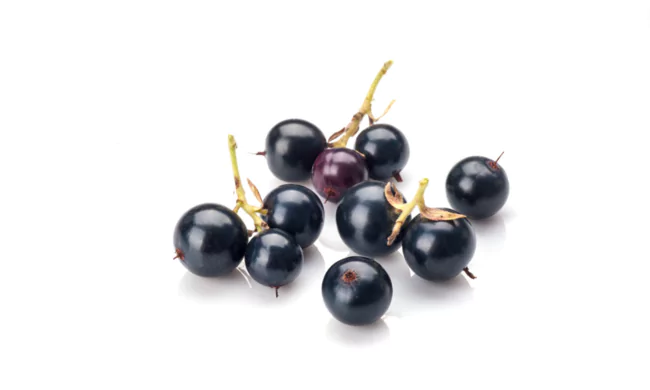
Emu berry, scientifically known as Elaeocarpus angustifolius, is a small, blue-black fruit native to Australia. It has a mildly sweet flavor and is often used in jams, jellies, and beverages.

Growing wildly across the Pacific Northwest of North America, these tiny, dark purple berries look and taste very similar to wild blueberries. They have a sharp, tart flavor that deepens perfectly when baked into pies or boiled into jams.
This medium-sized apple delivers a satisfyingly crisp crunch with a perfectly balanced sweet-tart flavor. Its firm texture and thick skin make it an excellent choice for baking into pies, cooking down into sauces, or simply eating fresh right off the core.
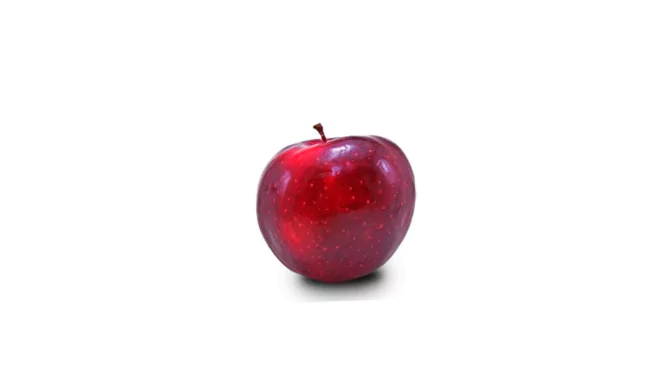
Native to Australia, this small, greenish-red fruit is deeply rooted in Indigenous food traditions. It carries a distinctly sour, tart flavor, making it a popular ingredient to cook down into sweet jams, dessert sauces, and fruit pastes rather than eating raw.

This is a large, heavy fruit native to South and Southeast Asia that is heavily favored by wild elephants in the region. It has a tough, fibrous texture and an intensely sour flavor, so it is rarely eaten raw; instead, it is cooked into curries, chutneys, and traditional jellies.
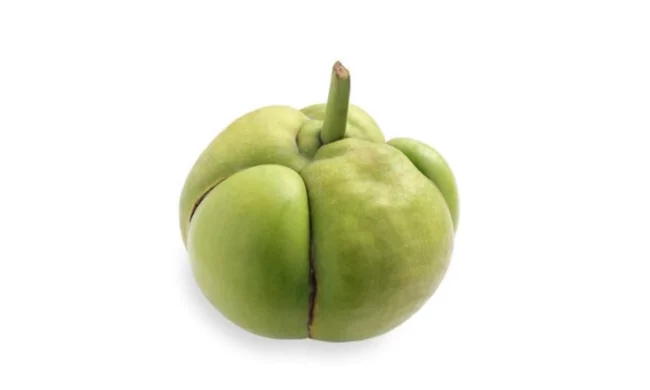
Entawak, is a large, round fruit native to Southeast Asia. It is commonly used in traditional cooking and is known for its unique aroma and flavor.

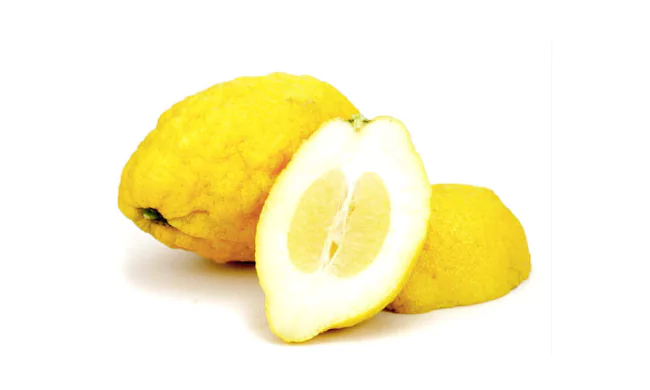
Etrog, scientifically known as Citrus medica, is a citron fruit with a thick, bumpy rind and a fragrant aroma. It is primarily used in Jewish religious rituals during the festival of Sukkot.
European pear, scientifically known as Pyrus communis, is a juicy and sweet fruit with a characteristic pear shape. It comes in various cultivars and is enjoyed fresh, cooked, or dried.
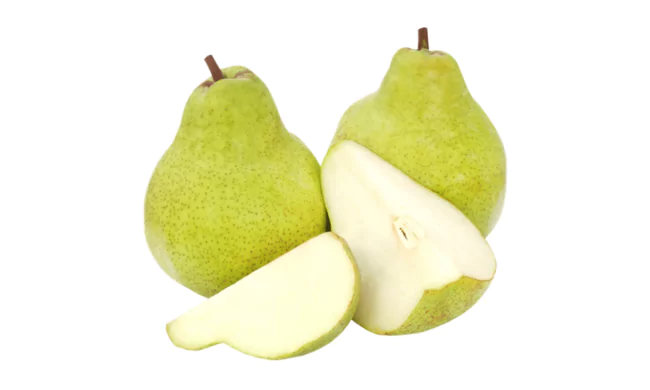
Early Gold mango, scientifically known as Mangifera indica 'Early Gold', is a tropical fruit with a sweet and tangy flavor. It is prized for its golden-yellow flesh and smooth texture.
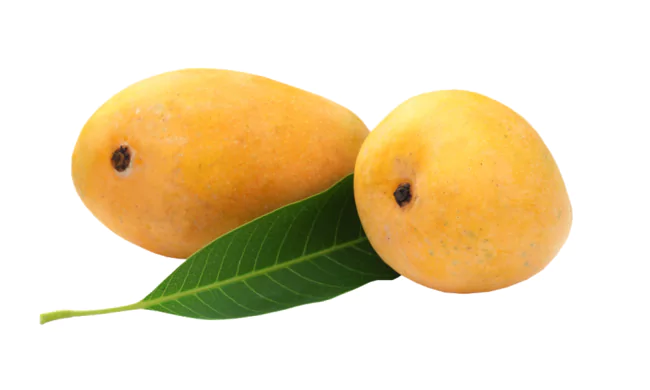
Emblica, commonly known as Amla, is a small, round fruit native to the Indian subcontinent. It is commonly referred to as Indian gooseberry and is prized for its high vitamin C content and various health benefits. All parts of the plant including the fruit, seed, leaves, root, bark, and flowers are used in both dried and fresh forms. I

Fruits starting with the letter E include a variety of berries, pome fruits, and tropical drupes. these species are native to Europe, Asia, Australia, and North America. Identifying these fruits assists in dietary classification and botanical study.
